Project AGNI
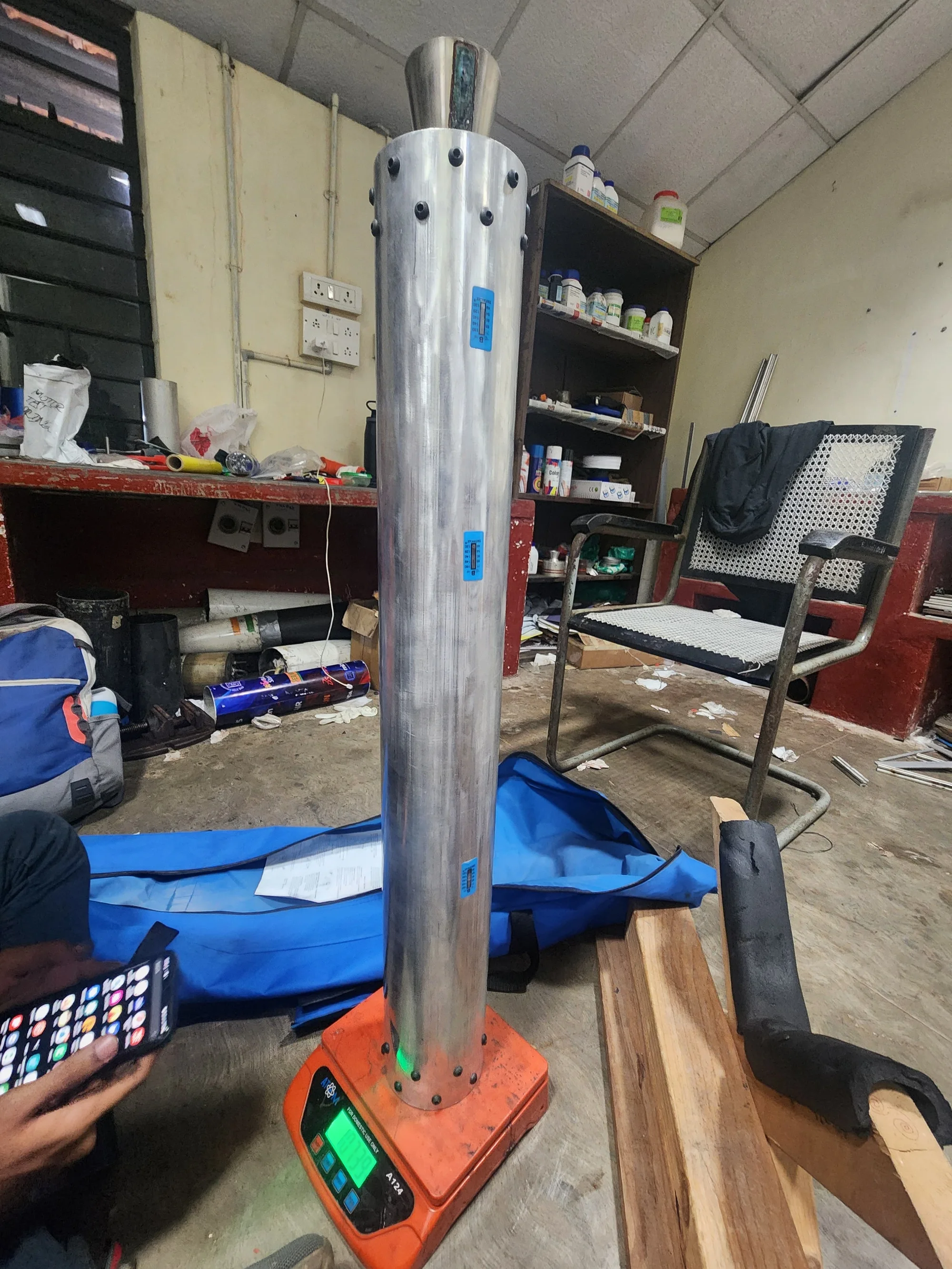
A KNSB solid rocket motor that thrustMIT designed, cast and fired itself, aimed at a 10,000 ft rocket. The first M-class test failed 1.63 s in. The rebuilt motor held for the whole burn and delivered 9,202 N·s.
RolePropulsion Lead
- 9,202 N·s total impulse
- 2,163 N average thrust
- 129 s specific impulse
- 7.25 kg KNSB
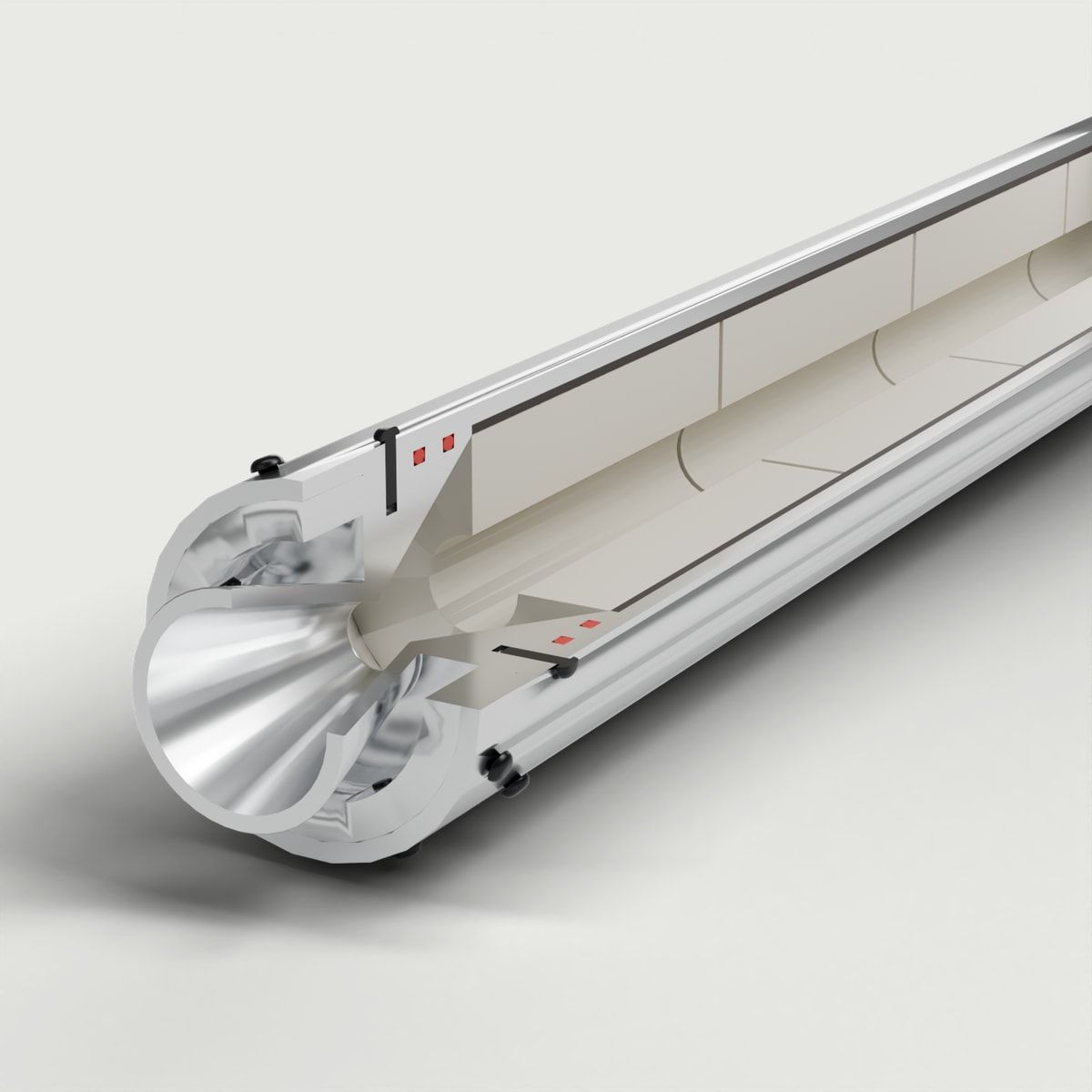
Inside AGNI
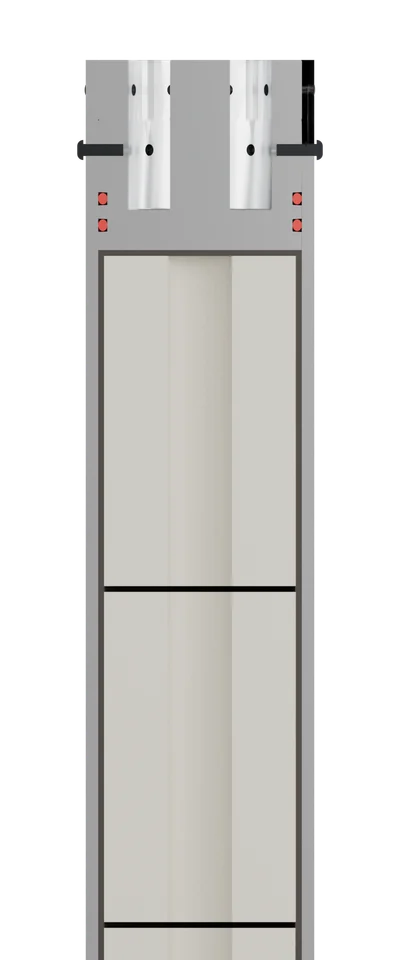
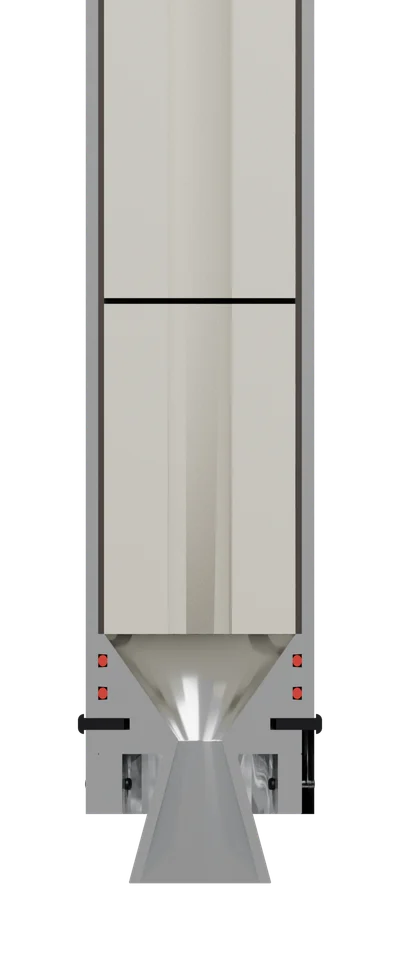
Forward closure
Two O-ring seals and an independent retainer ring secure the forward closure.
- Material
- Al 6061-T6
- Seals
- 2 O-rings
- Retention
- Retainer ring
Propellant grains
Four KNSB grains, together they hold 7.25 kg of propellant.
- Grains
- 4 × 165 mm
- Bore
- Ø32 mm
- Mass
- 7.25 kg
Casing and liner
An aluminium casing with a carbon-fibre liner that serves as the casting sleeve and thermal barrier.
- Casing
- Al 6061-T6 · 6 mm wall
- Liner
- CFRP · 3 mm
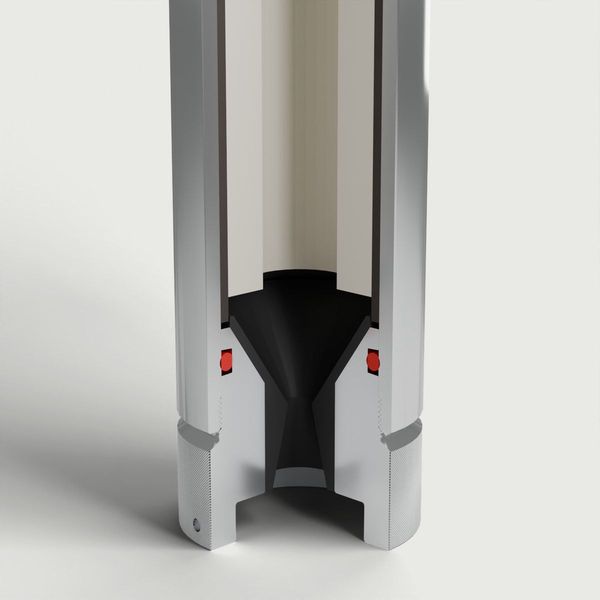
Nozzle
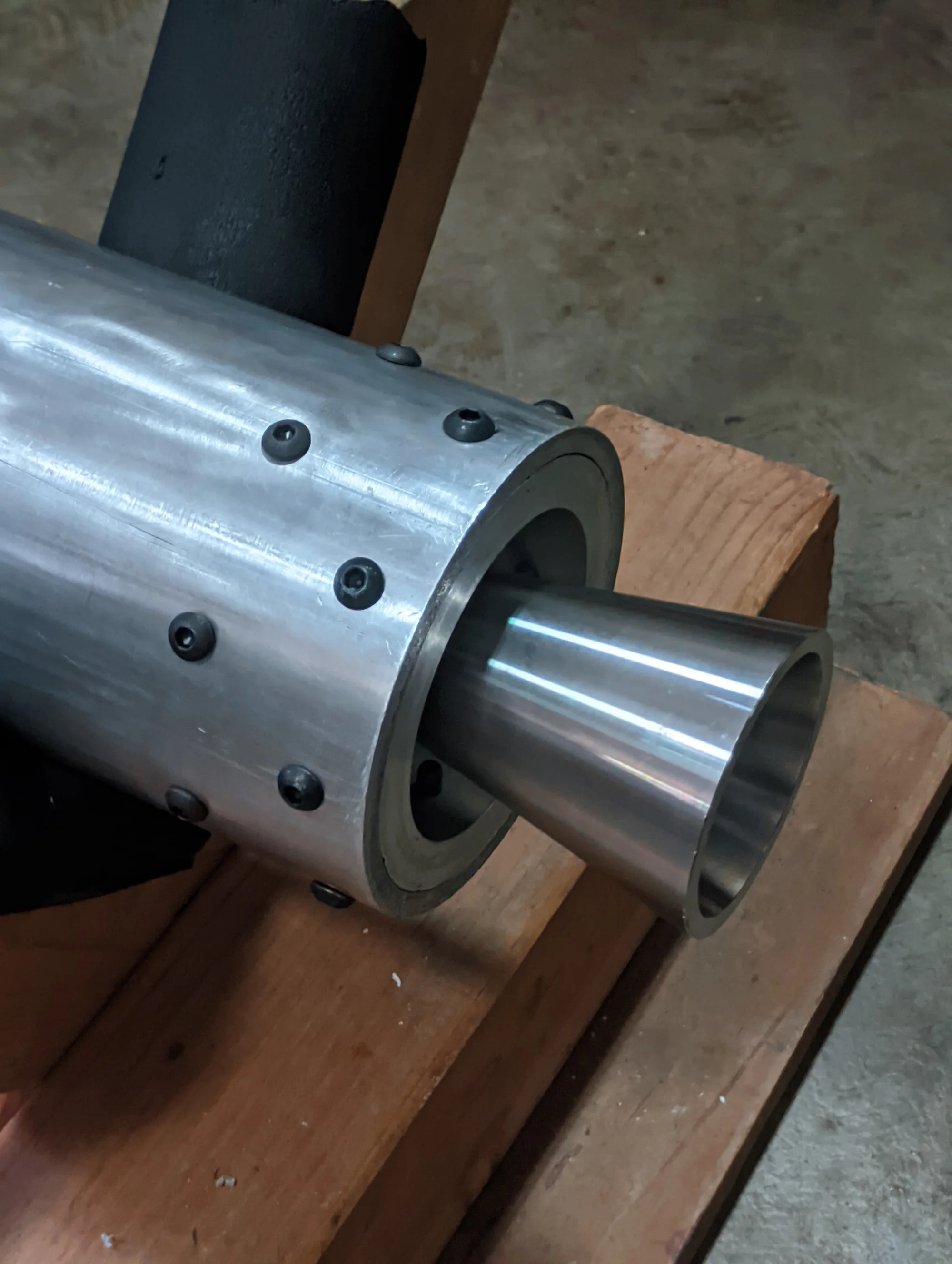
A converging-diverging nozzle with two O-rings and an independent aft retainer.
- Seals
- 2 O-rings
- Retention
- Aft retainer ring
- Forward closure. Two O-ring seals and an independent retainer ring secure the forward closure.
- Propellant grains. Four KNSB grains, together they hold 7.25 kg of propellant.
- Casing and liner. An aluminium casing with a carbon-fibre liner that serves as the casting sleeve and thermal barrier.
- Nozzle. A converging-diverging nozzle with two O-rings and an independent aft retainer.
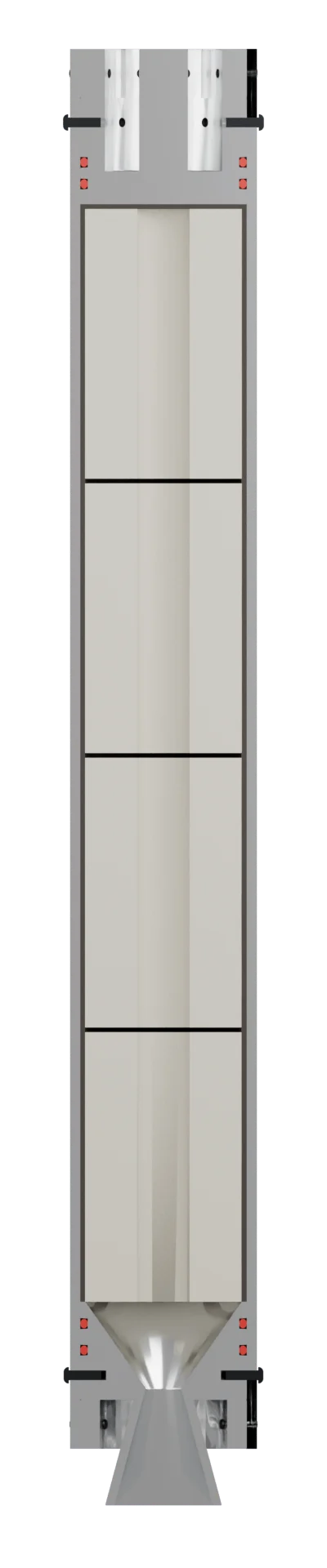
Forward closure
Two O-ring seals and an independent retainer ring secure the forward closure.
Propellant grains
Four KNSB grains, together they hold 7.25 kg of propellant.
Casing and liner
An aluminium casing with a carbon-fibre liner that serves as the casting sleeve and thermal barrier.
Nozzle
A converging-diverging nozzle with two O-rings and an independent aft retainer.
Static fire
Project goal
Develop and validate an M-class motor for thrustMIT’s entry in the 10,000 ft student-researched and developed (SRAD) category.
- 10,000 ft SRAD category
- Student-designed hardware
- J-class prototype → M-class programme
- Static-fire validation
Design evolution
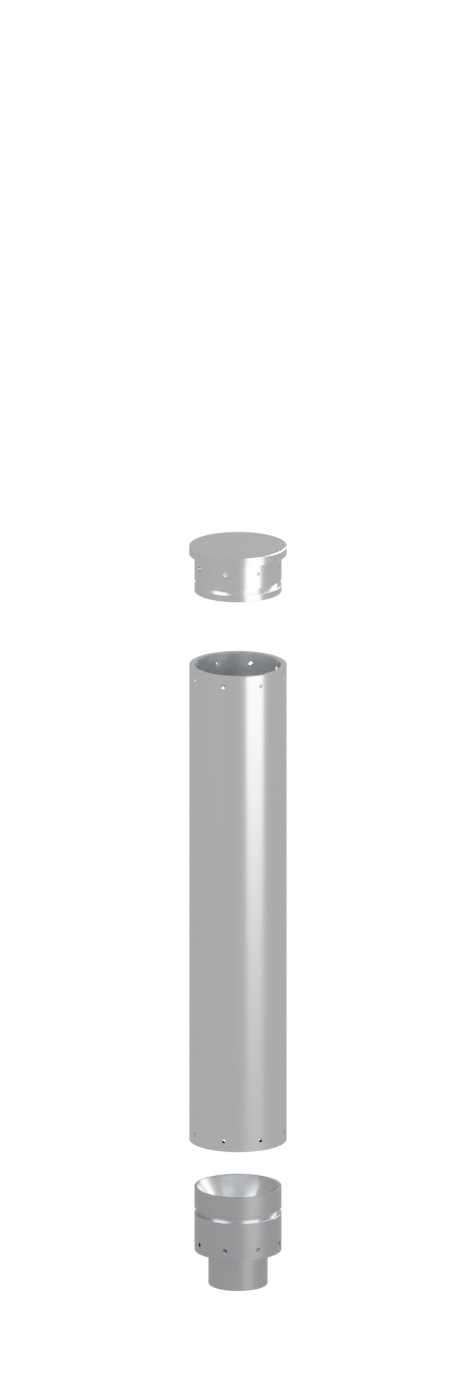
AGNI 1.0
- 3 propellant grains
- SS 304 closure bolts
- Single O-ring seals
- Closure and nozzle bolted directly

AGNI 2.0
- 4 propellant grains
- Class 12.9 fasteners
- Redundant O-ring seals
- Forward & aft retainers
- Staggered bolt configuration

AGNI 1.0
- 3 propellant grains
- SS 304 closure bolts
- Single O-ring seals
- Closure and nozzle bolted directly
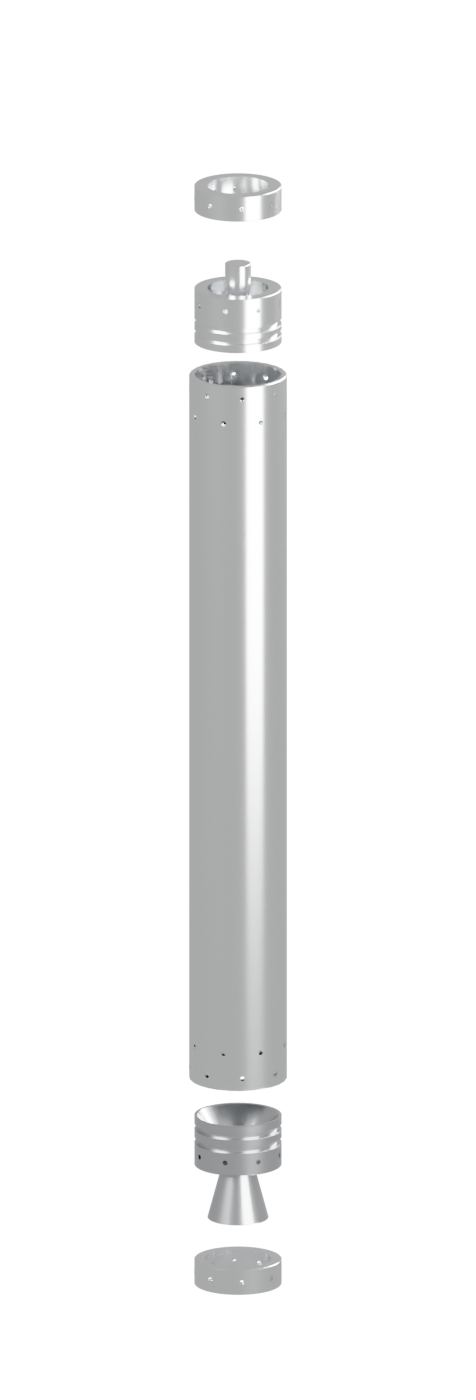
AGNI 2.0
- 4 propellant grains
- Class 12.9 fasteners
- Redundant O-ring seals
- Forward & aft retainers
- Staggered bolt configuration
- ≈30% lower peak casing stress · FEA
- Retainers share the closure loads
- Full static burn without structural failure
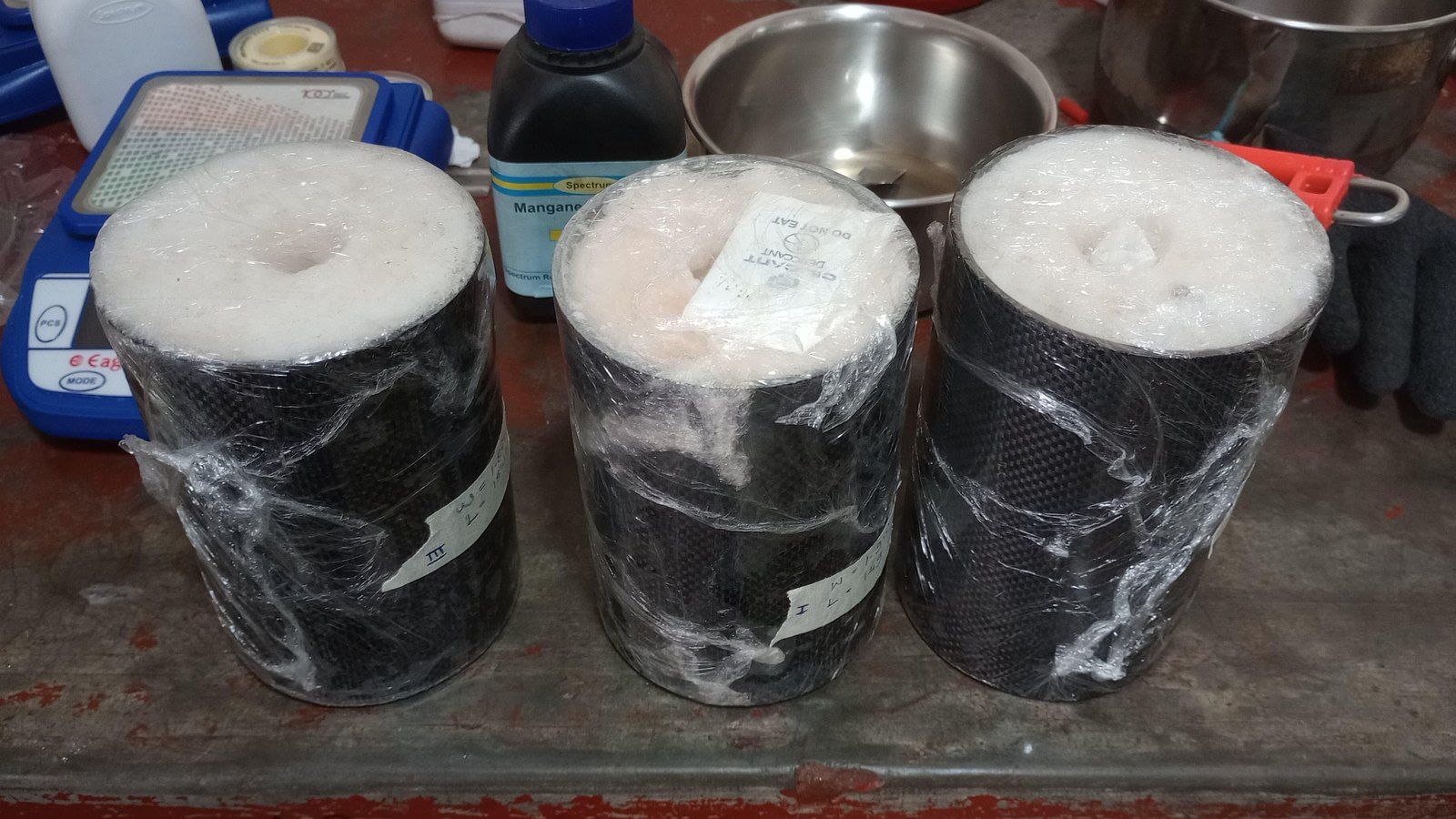
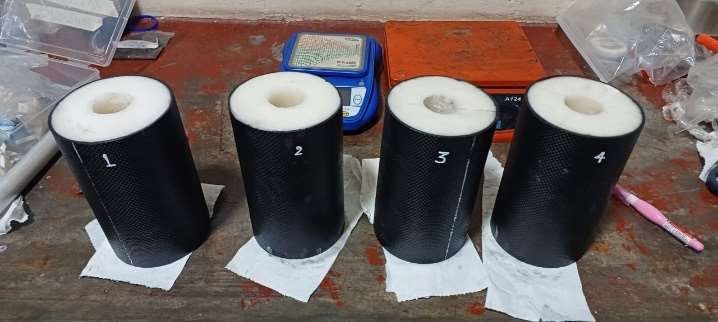
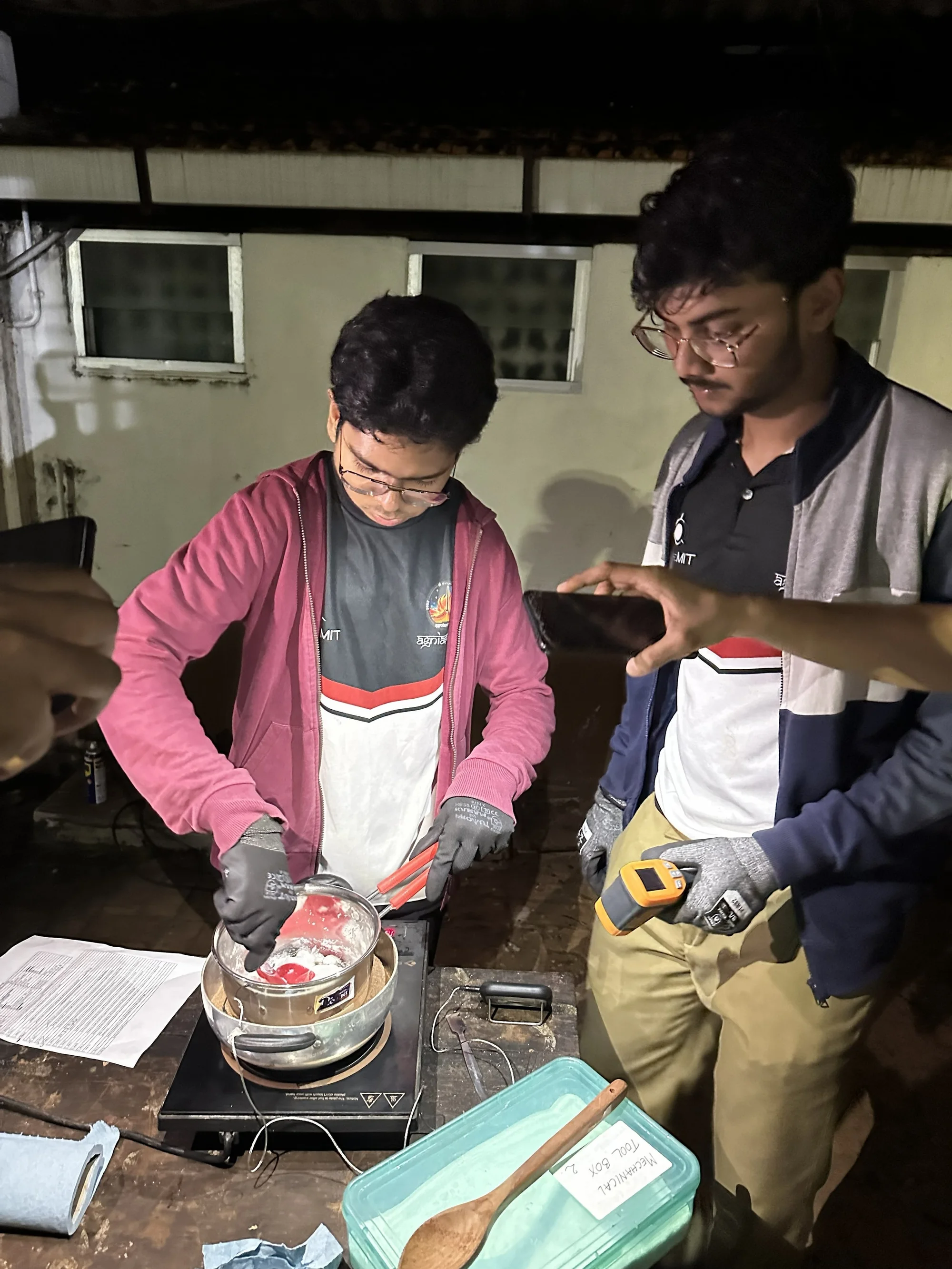
Casting
- 4 grains
- 7.25 kg cast propellant
- 0.93 density ratio
- Carbon-fibre liners
- Centred coring rod
- Casting checklists
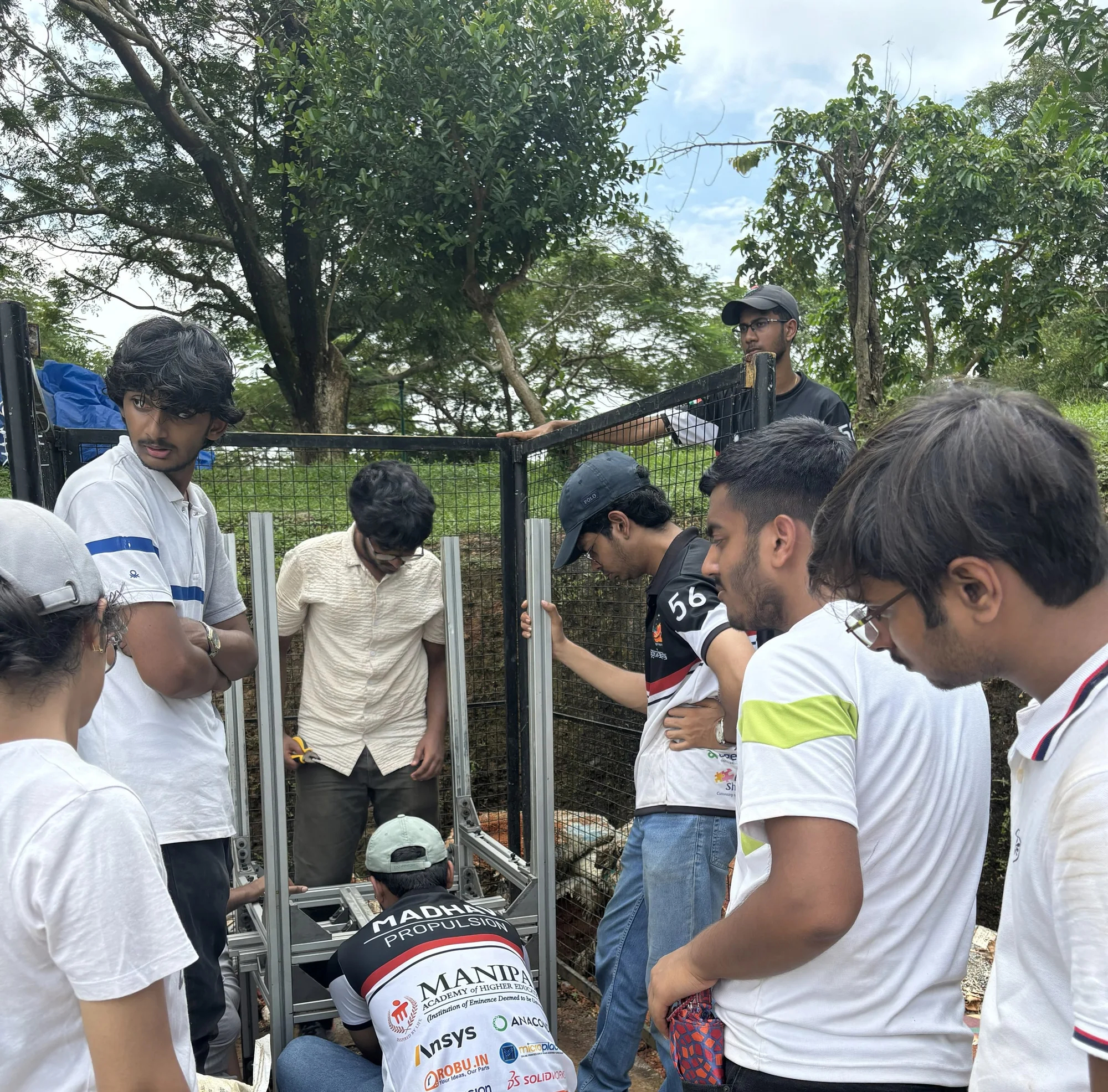
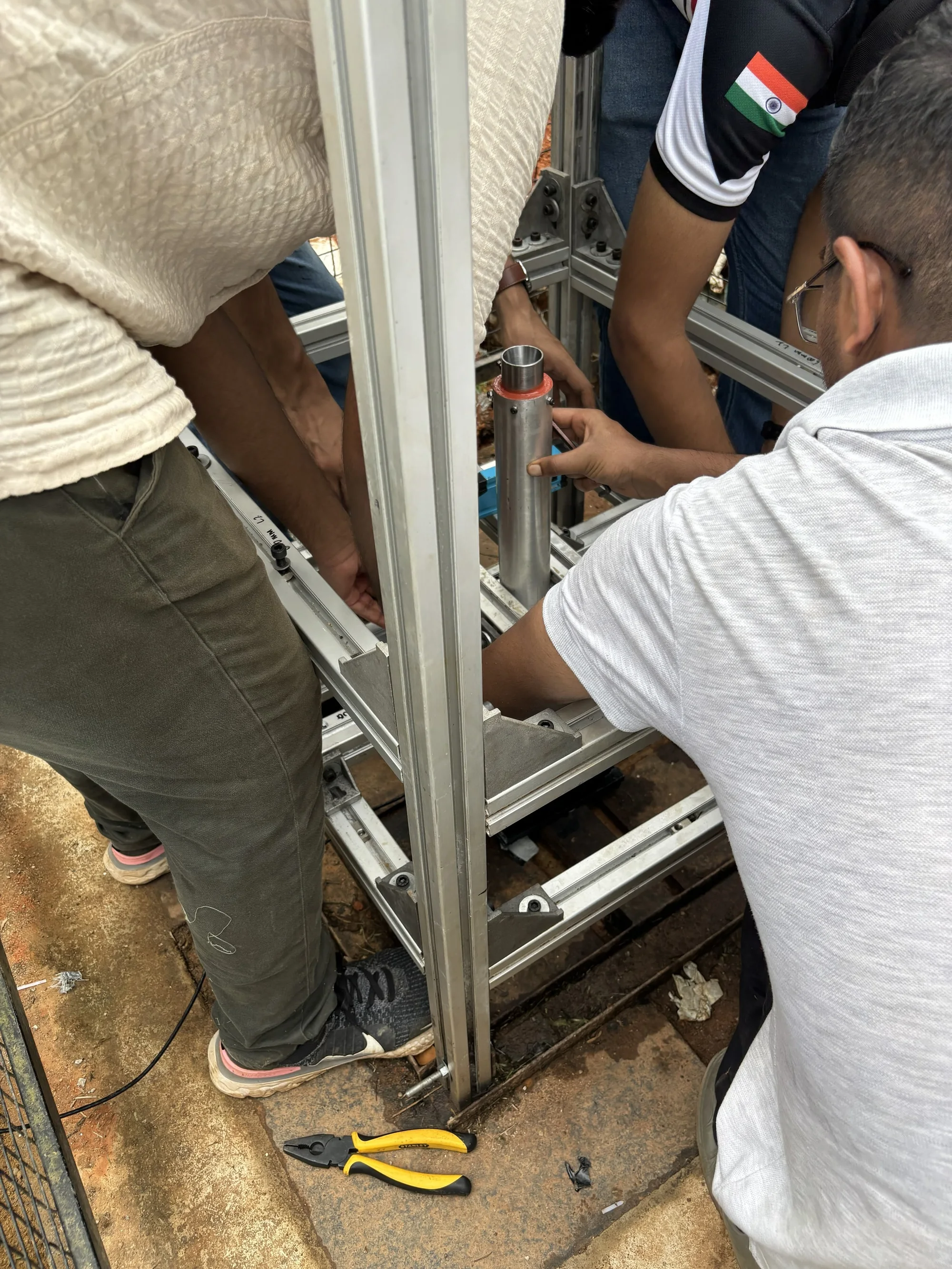
Testing
AGNI 1.0
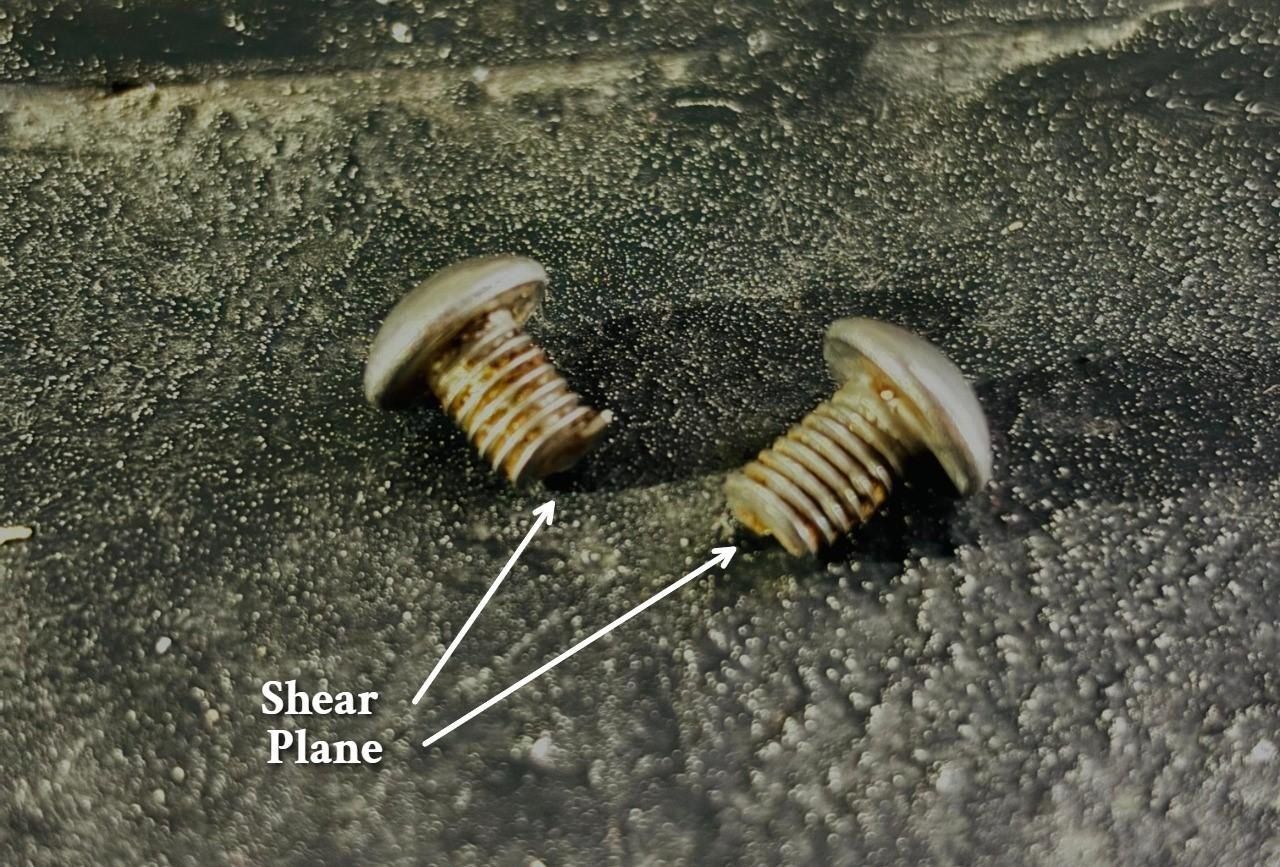
Failure at 1.63 s
- Head bolts sheared
- Forward seal failed
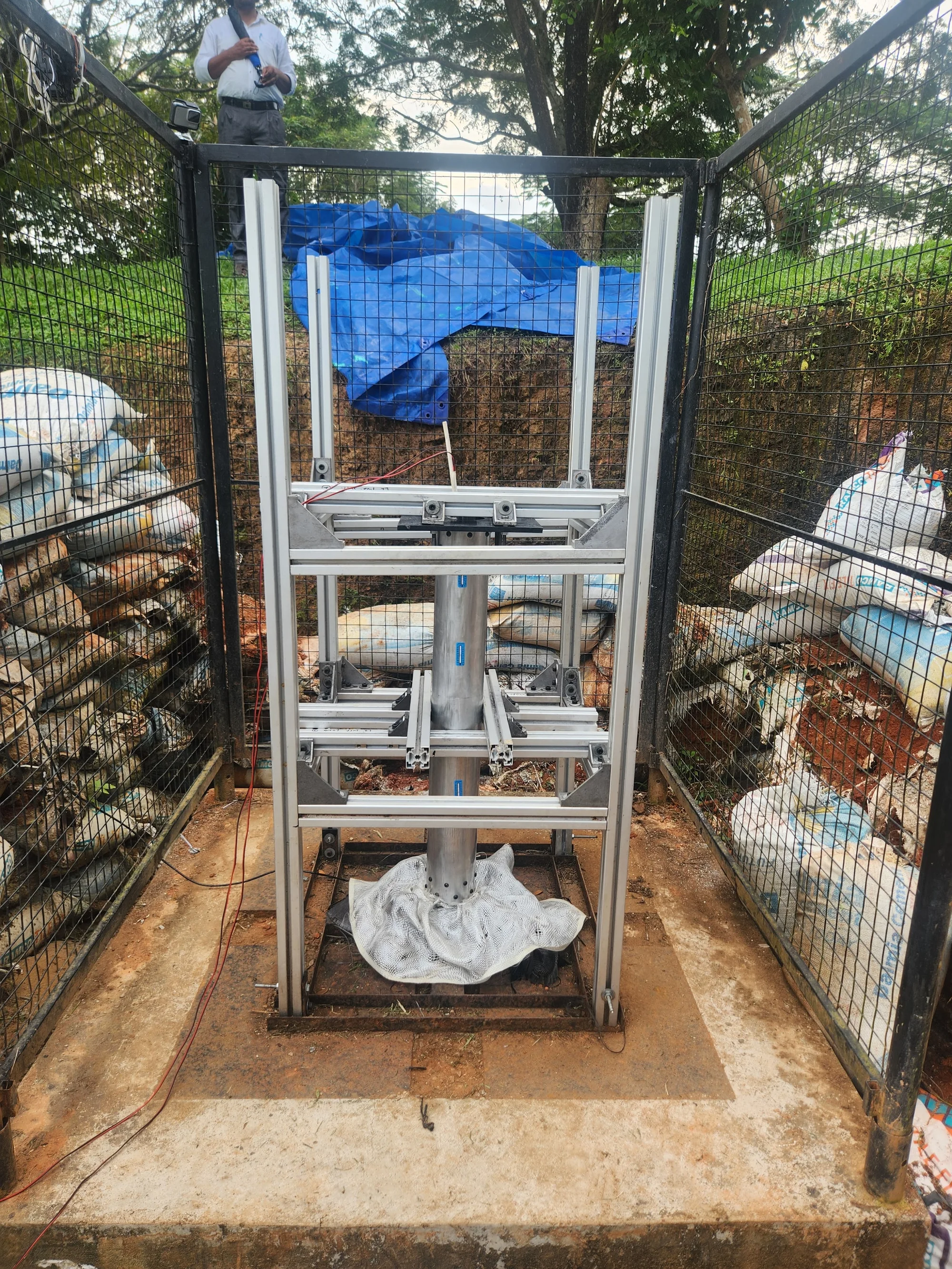
- Contained by the test stand
AGNI 2.0
Complete static burn
- 9,202 N·s total impulse
- 2,163 N average thrust
- 129 s specific impulse
- No structural failure
- J-class motor tested as well
- 1,229 N·s · J-class result
Project Kali
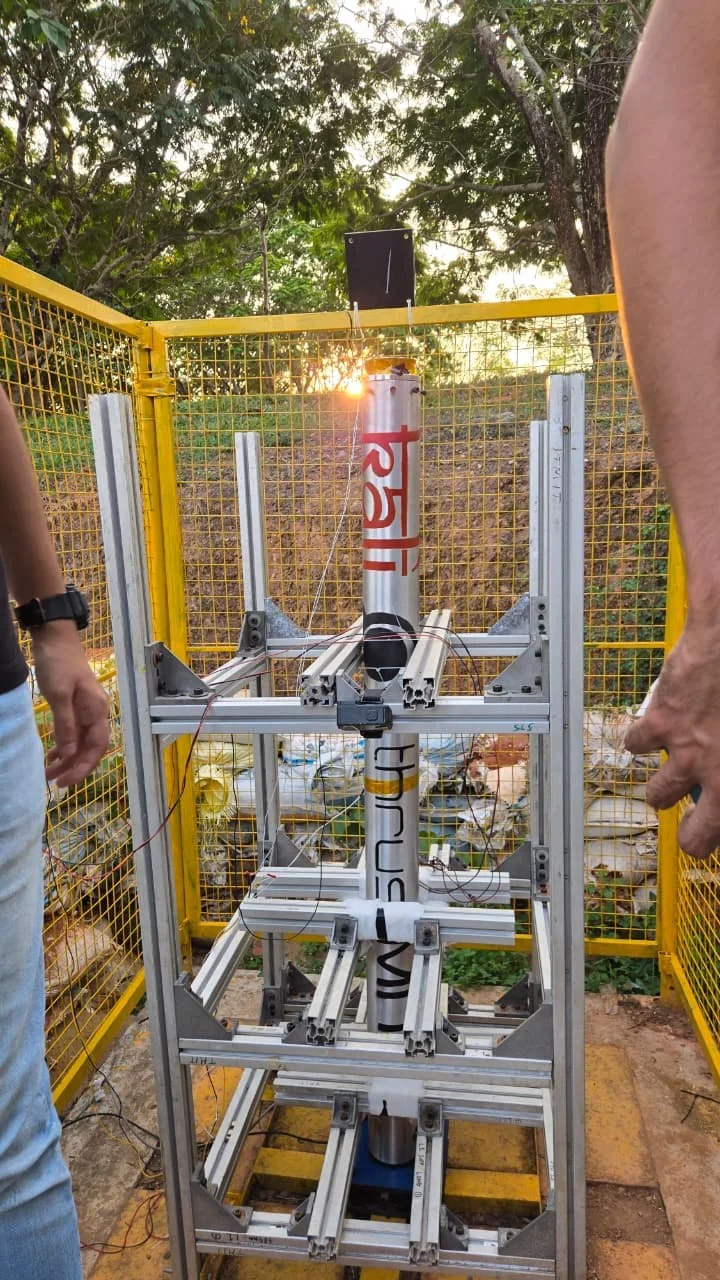
After AGNI, the junior propulsion team built Kali, an N-class KNSB motor designed from everything the AGNI tests had taught us, and this time meant to fly.
Kali powered Varuna, thrustMIT’s first rocket on a student-developed motor, which flew at IREC 2026 in the 10,000 ft SRAD category.
- N-class KNSB motor
- Static fire · February 2026
- Flew in Varuna · IREC 2026
- 10,000 ft SRAD category
Gallery

Links
Next
Solid Propellant Research
A reusable test motor for nitrate propellants beyond KNSB, proof-tested with water and static fired.
RolePropulsion Lead2025