Hybrid reaction-jet and aerodynamic control of an air-breathing hypersonic vehicle
I studied how reaction jets and aerodynamic surfaces can share the work of controlling a hypersonic vehicle as air gets thinner.
RoleFlight dynamics research
- Final-year research, MIT Manipal
- Reaction jets + aerodynamic surfaces
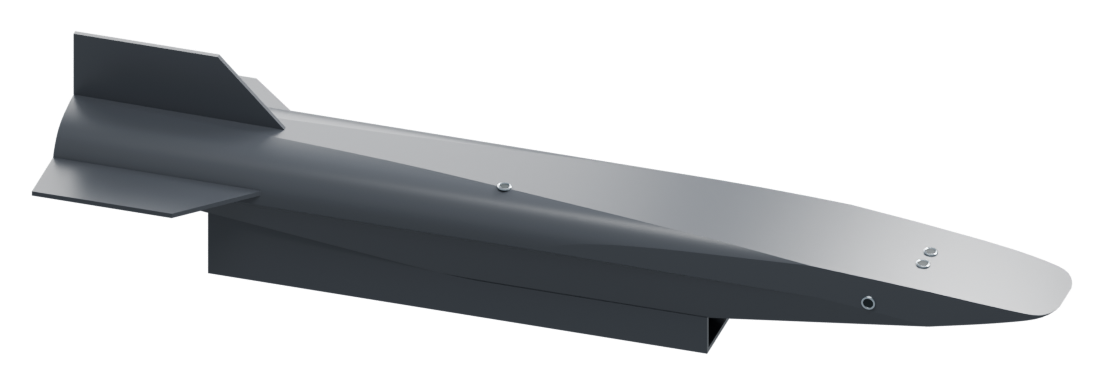
The idea
Aerodynamic controls need air to push against. In thinner air, maintaining control can demand more movement from the surfaces.
Reaction jets create a turning moment directly. My simulation explored sharing commands between jets and surfaces instead of asking either system to do everything.
- Thin-air control
- Shared actuator effort
- Surface load relief
Reaction control
Jets near the nose turn the vehicle in pitch and yaw; a pair beside the centre of gravity rolls it. Each jet fires to start a turn, and the opposite jet fires to stop it.
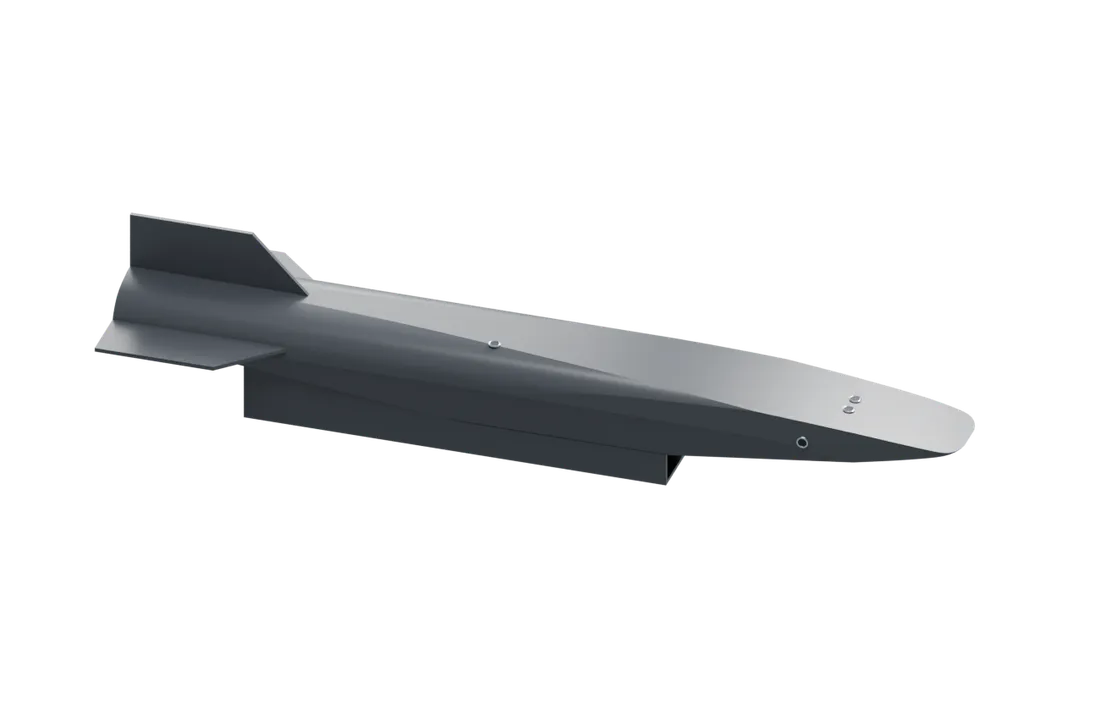
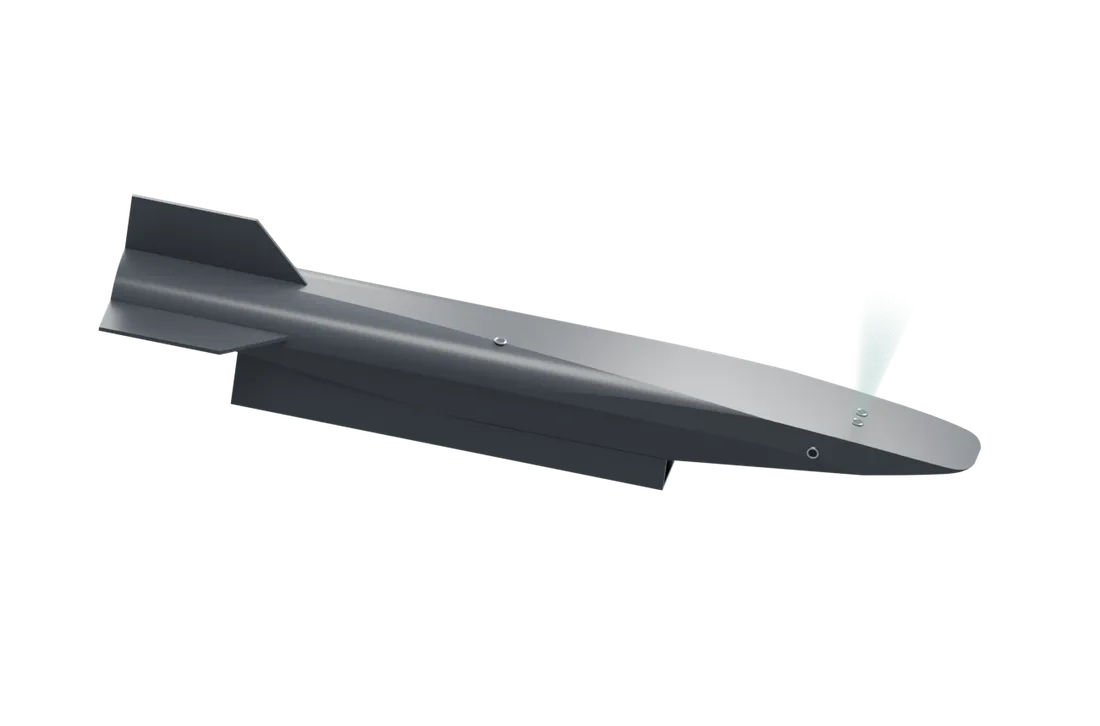
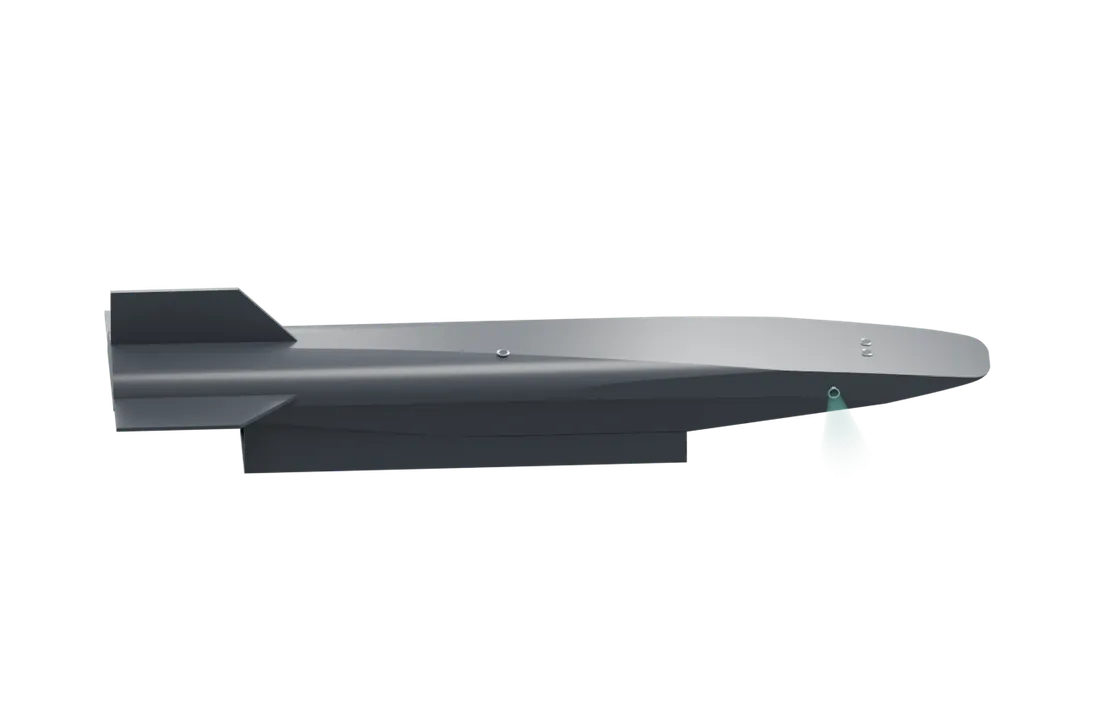
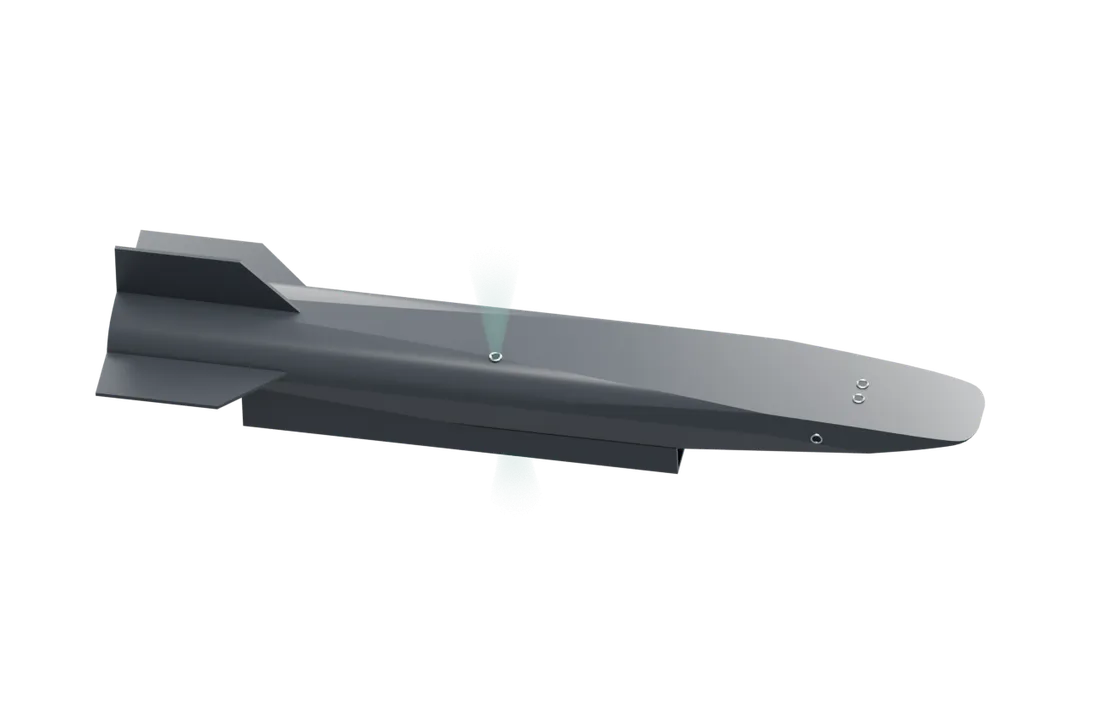
Pitch: jets near the nose provide nose-up and nose-down moments.
The layout keeps exhaust clear of the intake, nozzle and aft control surfaces. Rendered ports illustrate these regions, not a finished hardware installation.
What the simulations suggest
In the simulated manoeuvres, blending jets with surfaces reduced peak surface demand, helped maintain control where aerodynamic authority was limited, and let the model follow combined manoeuvres with less surface saturation. More jet assistance came at the cost of more propellant.
- Less surface demand
- Help in thinner air
- Room for combined manoeuvres
- A propellant trade-off
Scope & credit
This is a simulation study, not a flight-tested vehicle. The model treats the vehicle as rigid; structural flexibility and thermal effects remain future work.
Final-year research at MIT Manipal, carried out at Thrustworks Dynetics with guidance from Dr. Nagaraja Shetty and Mr. Yash Mane.
Next
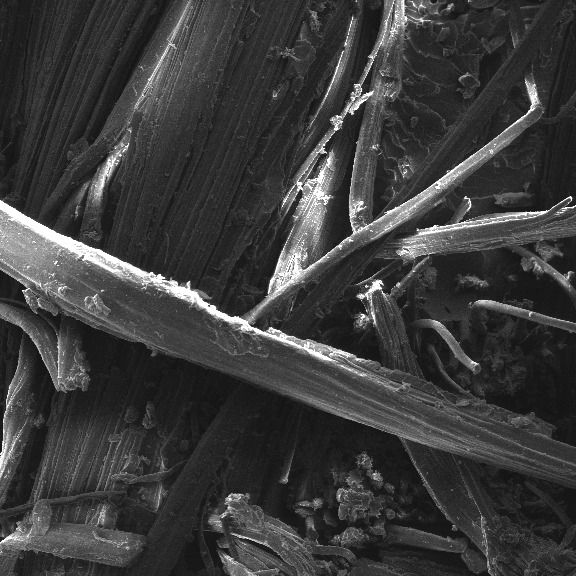
Natural Fibre Composites Research
Compared flax and hemp epoxy laminates made by vacuum infusion: strength, heat, fire and sound.
RoleResearcher and co-author2026