Natural Fibre Composites Research
A controlled comparison of vacuum-infused flax and hemp epoxy laminates at MIT Manipal, covering mechanical, thermal, fire and acoustic properties. Published in two journal papers with Sohan Kumar Y.
RoleResearcher and co-author
- 2 papers in Sci (MDPI), 2026
- First author · thermal and acoustic paper
- Flax vs hemp · vacuum infusion
The research
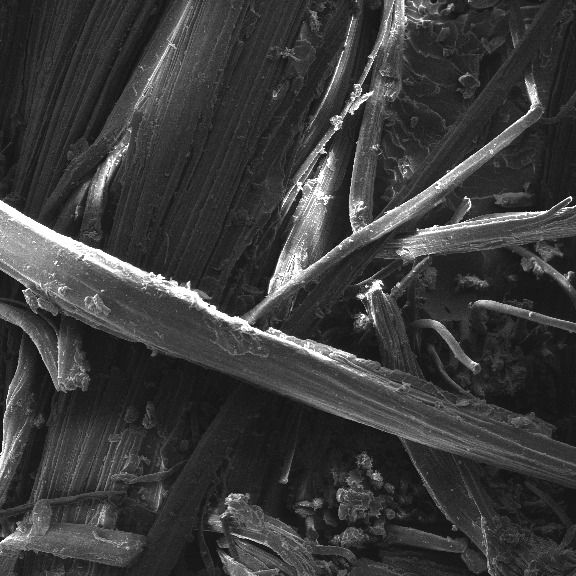
We compared two natural-fibre epoxy laminates using the same treatment, resin, fibre orientation and manufacturing process.
Manufacturing
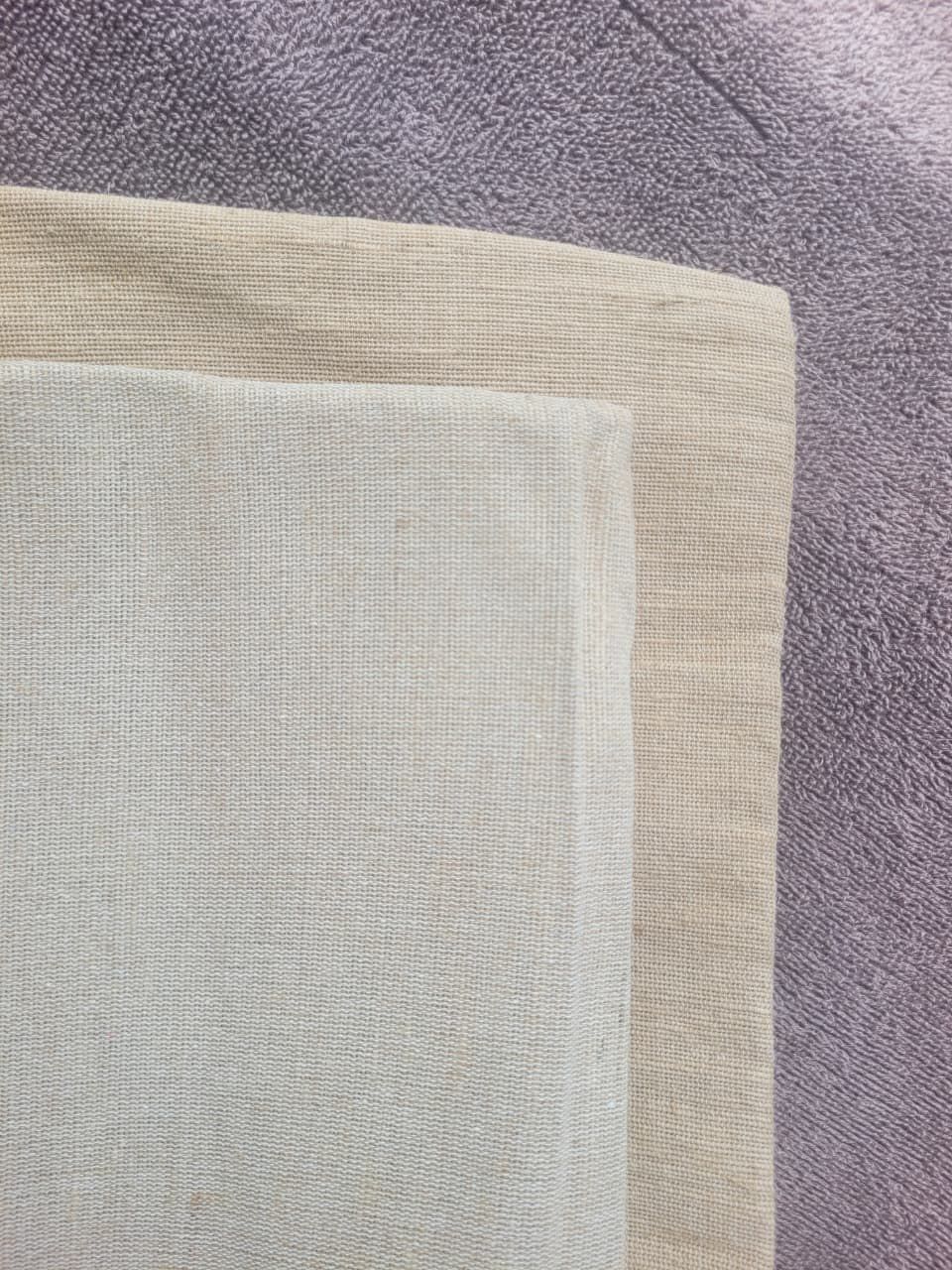
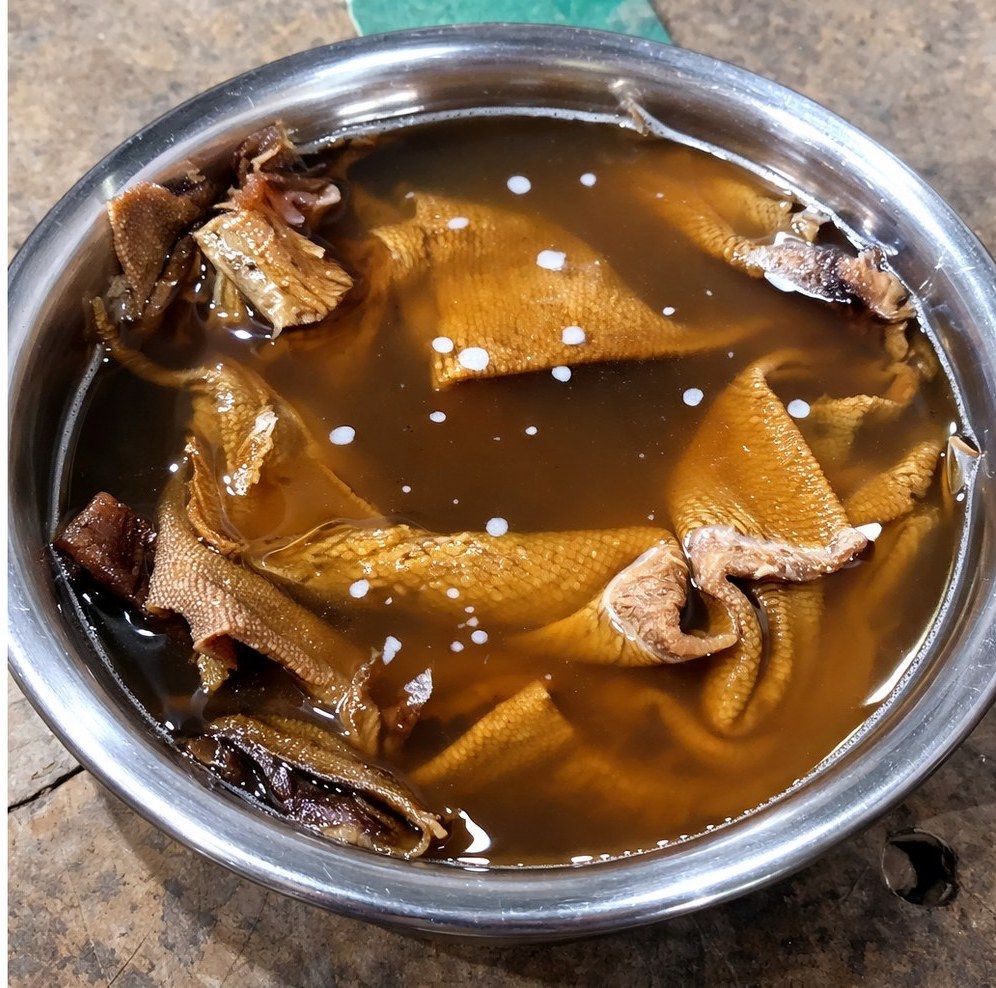
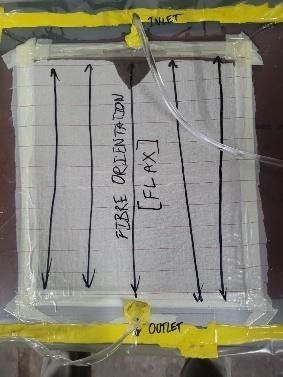
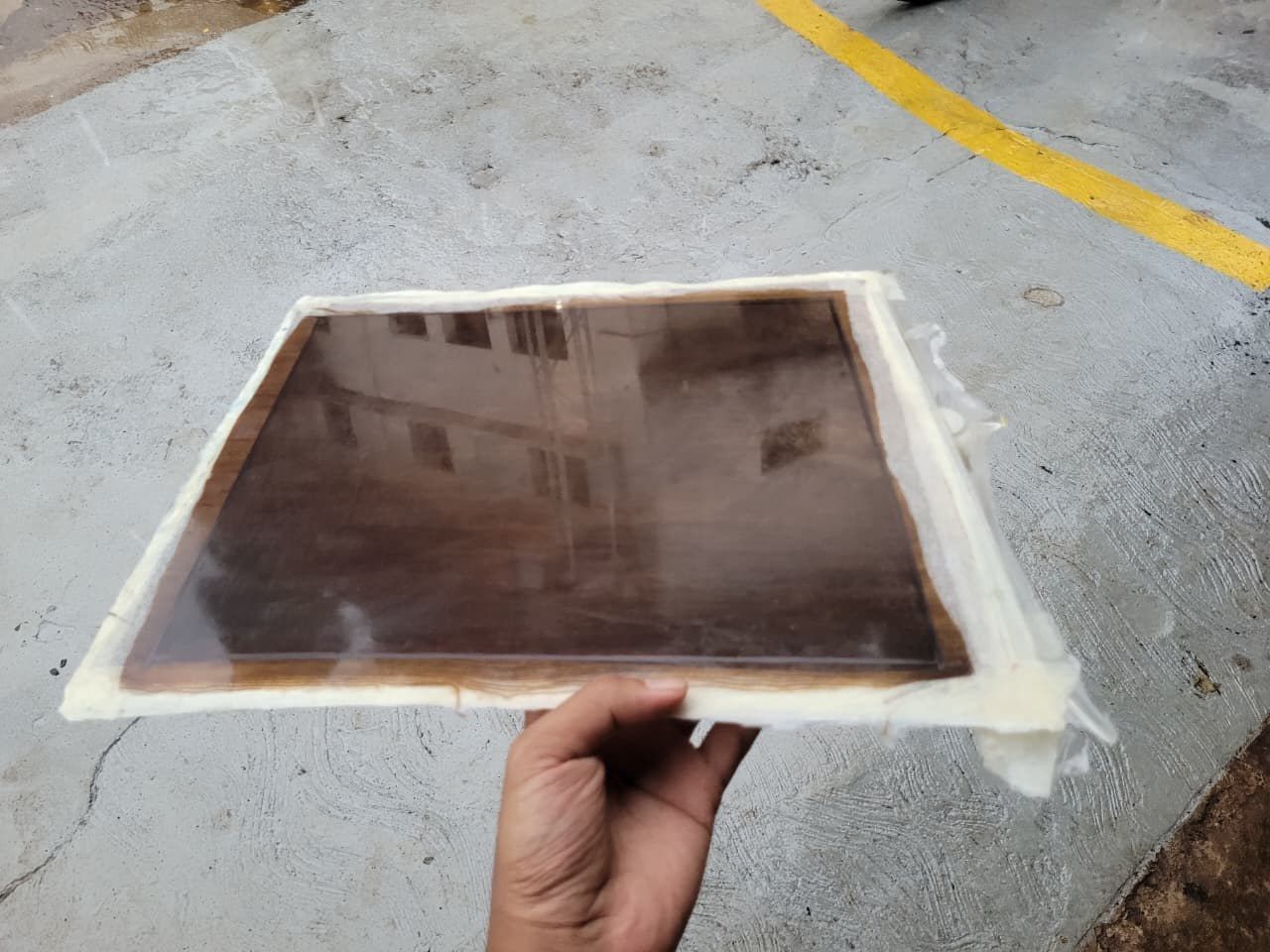
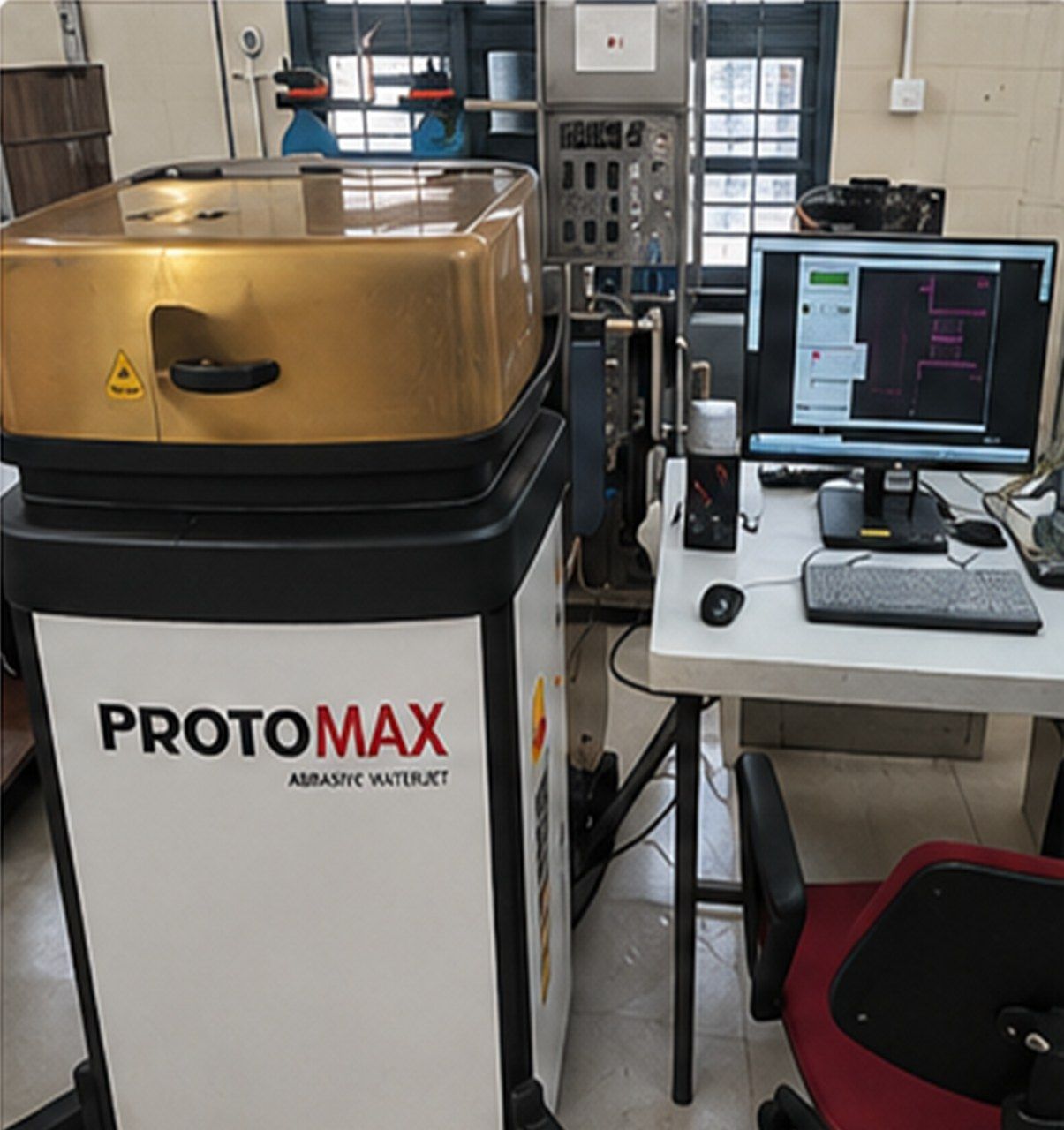
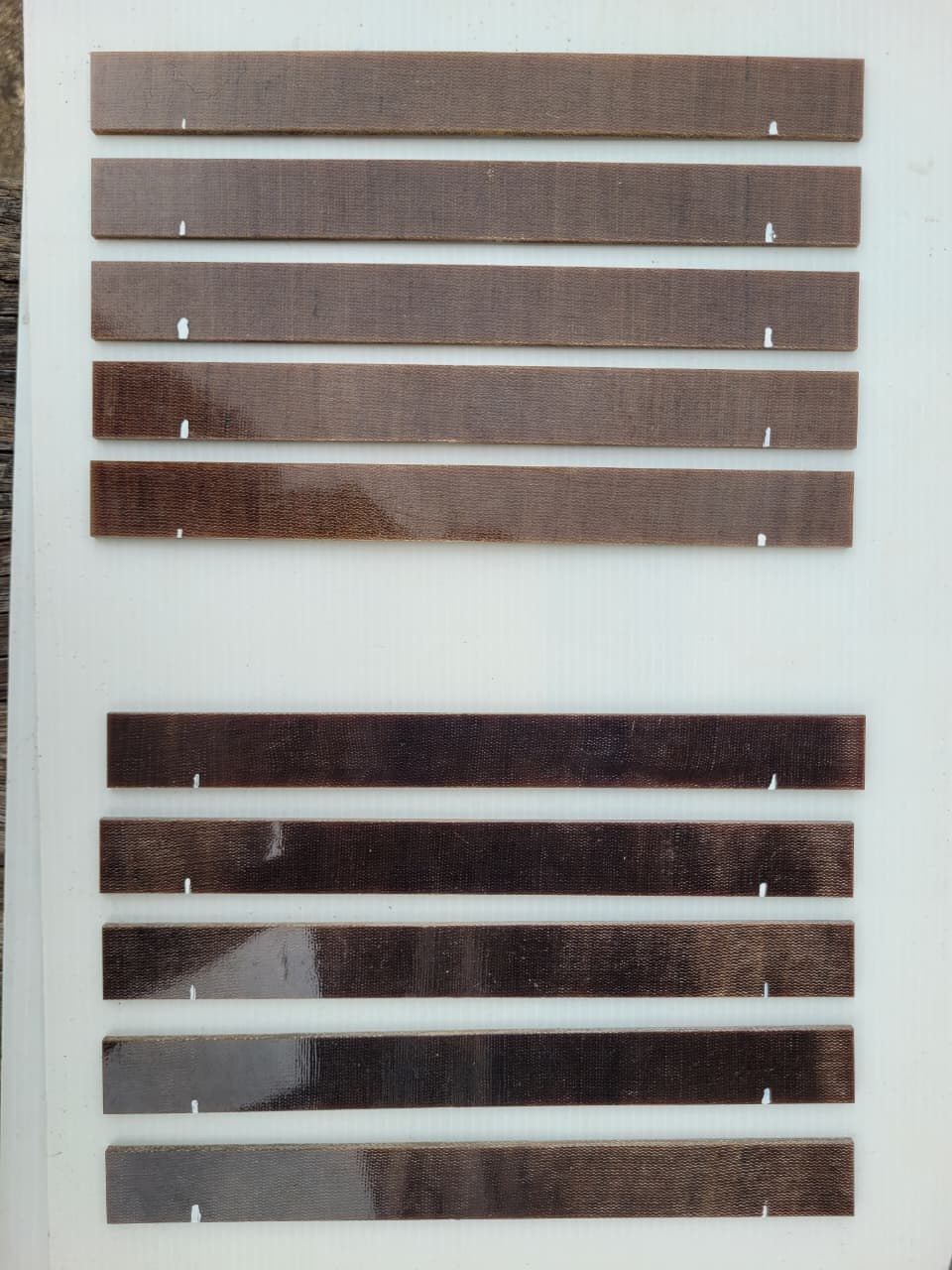
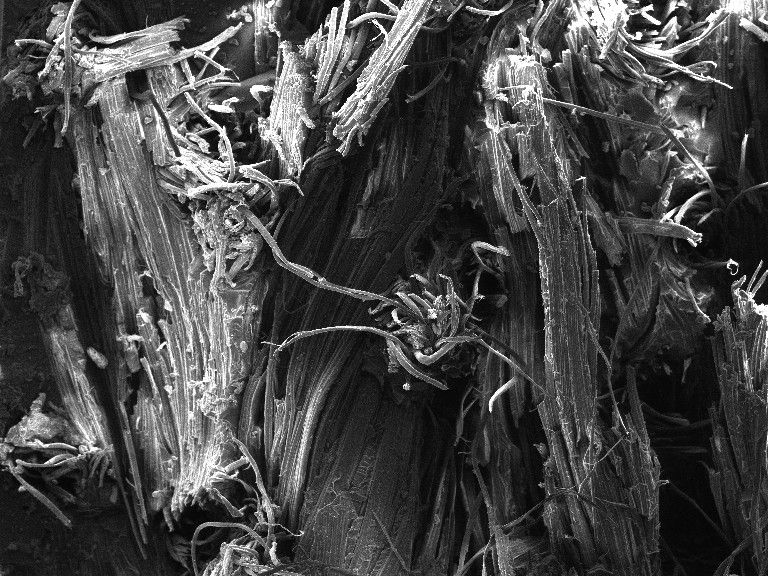
Alkali-treated flax and hemp fabrics were vacuum-infused with the same epoxy system. Five unidirectional plies were cured under vacuum at room temperature.
- 5 unidirectional plies
- 5 wt.% NaOH · 30 min
- 24 h ambient cure
- ≈3.5 mm thickness
Results
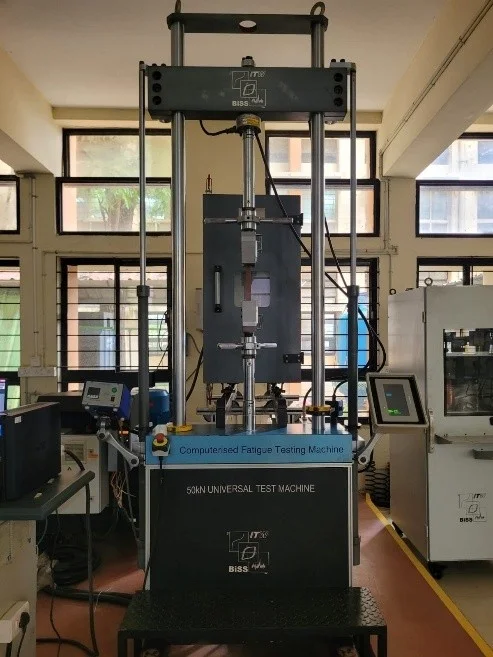
Flax was stiffer and stronger in bending. Hemp absorbed more impact, held more interlaminar shear and lost mass later on heating. Both burned to the same UL 94 HB class.
Mechanicalfive specimens
- Tensile strengthMPa92 ± 587 ± 1
- Tensile modulusGPa5.6 ± 0.125.2 ± 0.1
- Flexural strengthMPa116 ± 3102 ± 4
- Flexural modulusGPa5.9 ± 0.14.9 ± 0.1
- Notched Charpy impactkJ/m²5.7 ± 0.310.6 ± 0.8
- Interlaminar shear strengthMPa12.9 ± 0.614.3 ± 0.3
- Vickers hardnessHV18.5 ± 0.817.4 ± 0.6
Thermalthree specimens
- Temperature at 5% mass loss°C207 ± 3222 ± 3
- Glass transition · second heating°C65.3 ± 0.571.9 ± 0.9
- Char residue at 800 °Cwt.%9.29 ± 0.1510.22 ± 0.11
Firethree specimens · lower is better
- Horizontal burning ratemm/min26.58 ± 0.6824.31 ± 0.68
- Both: UL 94 HB
- Both: oxygen index 21.54 vol.%
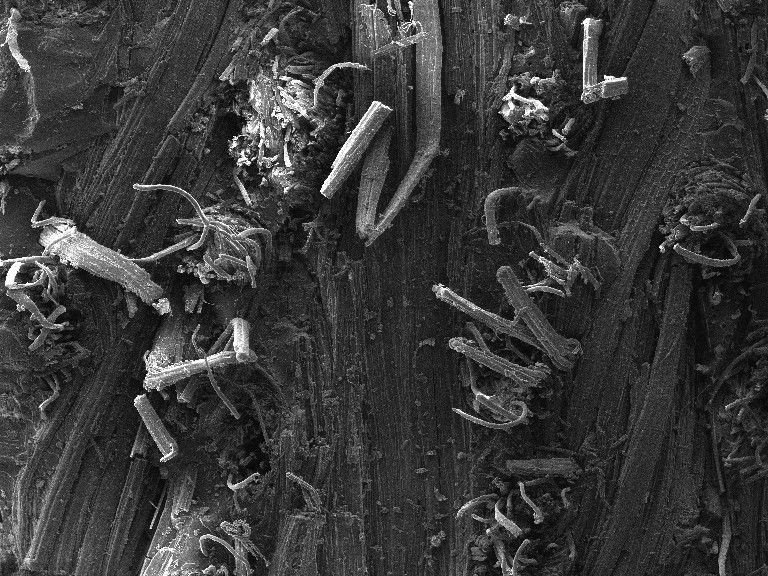
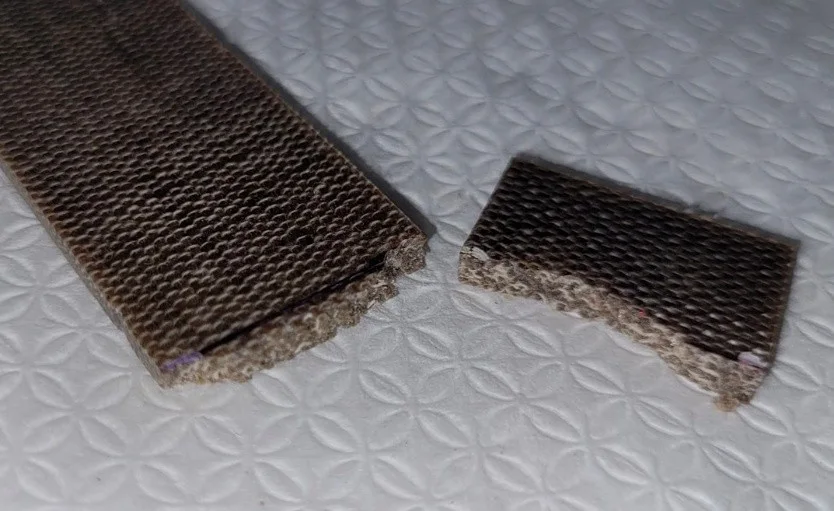
- Brittle failure in tension, bending and shear
Mean ± standard deviation, published rounding. Mechanical: Sci 8(6) 133 ↗, sections 3.2–3.4. Thermal and fire: Sci 8(9) 261 ↗, Tables 2, 3 and 5. Tensile strength difference not significant (p = 0.133). TGA in nitrogen at 10 °C/min; mass-loss temperatures are not service ratings.
Sound
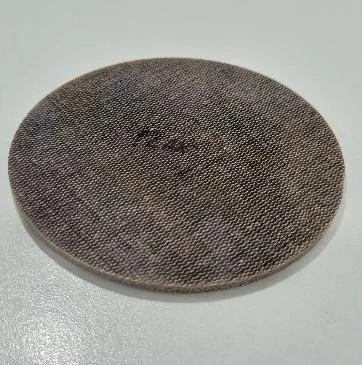
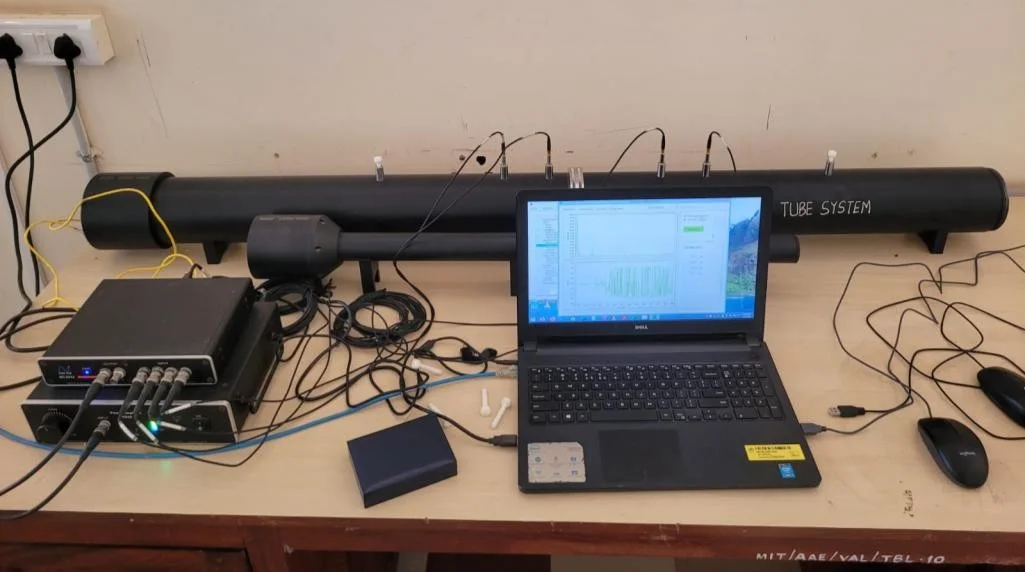
Hemp blocked a little more sound on average, but the lead changes with frequency, so neither laminate is better across the whole range.
Normal-incidence transmission loss, ASTM E2611, impedance tube.
Findings & scope
Under the tested conditions, flax had higher flexural values; hemp had higher impact and interlaminar shear values. Thermal and acoustic responses also differed, while both shared the same HB fire classification.
Gallery
Links
- Thermal and Acoustic Properties of Flax and Hemp Epoxy Bio-Composites Fabricated Using Vacuum-Assisted Resin Infusion MouldingSci · 17 Sep 2026 · first author
- Comparative Mechanical Performance of Alkali-Treated Unidirectional Flax/Epoxy and Hemp/Epoxy Composite Manufactured via VARIMSci · 9 Jun 2026 · second author
- Publication listSciProfiles
Next
Minor Specialization Project
Pin-on-disc wear tests on recycled PET and a 10 wt.% graphene grade.
RoleMaterials Engineering · Mini project2025